In the UK, libraries are evolving far beyond their traditional role of lending books. They’ve become digital learning hubs, job support centres, safe social spaces, and even warm refuges during cost-of-living crises. As Pakistan grapples with declining literacy rates, especially among youth, and a widening digital divide, the modern British library model offers powerful lessons.
📚 A New Chapter for UK Libraries
Gone are the days when libraries were silent halls of dusty books and stern librarians. Across Britain today, local libraries are transforming into vibrant community living rooms. From free Wi-Fi and online courses to coding workshops and podcasting booths, they’re places where learning meets accessibility.
In Birmingham Library, one of Europe’s largest, students use state-of-the-art computers and software for graphic design, schoolchildren attend STEM classes, and refugees get help applying for jobs or visas. Similar scenes are playing out in smaller branches across Glasgow, Leeds, and Manchester.
💻 Digital Access for All
One of the most impactful UK policies has been ensuring free digital access through public libraries. At a time when job applications, government forms, and even education have gone online, libraries ensure no one is left behind.
Users can book free computer time.
Staff help elderly or digitally excluded individuals use smartphones, apply for pensions, or connect with family abroad.
Free printing, scanning, and even charging stations are often available.
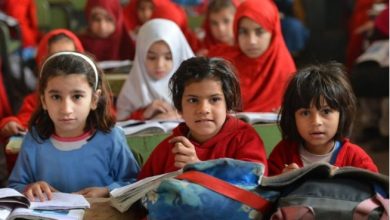
For Pakistan, where over 22.8 million children are out of school (UNICEF) and many have no internet at home, this model could be revolutionary—especially if rolled out in urban slums and underserved towns.
🧑🏫 Lifelong Learning and Skills
UK libraries host free workshops on CV writing, interview prep, basic digital literacy, and even entrepreneurship. In Tower Hamlets, East London, libraries partner with local colleges to offer evening classes for adults re-entering education.
Libraries also support youth empowerment by hosting reading clubs, debate forums, and “homework help” sessions. Some even offer 3D printing labs and robotics kits—turning learning into exploration.
Imagine if libraries in Karachi, Lahore, and Quetta were reimagined not just as reading rooms but as skills incubators. With basic funding, solar panels, and internet, they could offer courses on:
English language and IT
Sewing, coding, or graphic design
Entrepreneurship for girls and young mothers
🧩 More Than Infrastructure – It’s About Vision
Pakistan has hundreds of public libraries, but many are underfunded, poorly managed, or unused due to outdated content and limited access. But the spaces already exist—what’s needed is a national push to:
Digitise collections
Train staff
Partner with NGOs and tech companies
Incentivise local governments to revive them
✨ A People’s University
As one UK librarian put it:
“A library is the only place where you’re not expected to spend money, prove your worth, or explain yourself. You just walk in and belong.”
In a country like Pakistan—riddled with educational inequality, digital exclusion, and rising youth frustration—modern libraries could become the people’s university: free, inclusive, and full of hope.
Next in the Series
🔜 Part 2: “Libraries as Safe Spaces – UK Models for Youth Mental Health”
Explore how libraries across the UK are supporting mental health, creating calm zones, and hosting wellbeing workshops—and what Pakistan can learn from it.