The Sindh government has announced a major step forward in the education sector with the upgrading of thousands of primary schools across the province. This initiative aims to improve the quality of education, enhance learning facilities, and create better opportunities for children, especially in rural and underprivileged areas.
The Vision Behind the Upgrades
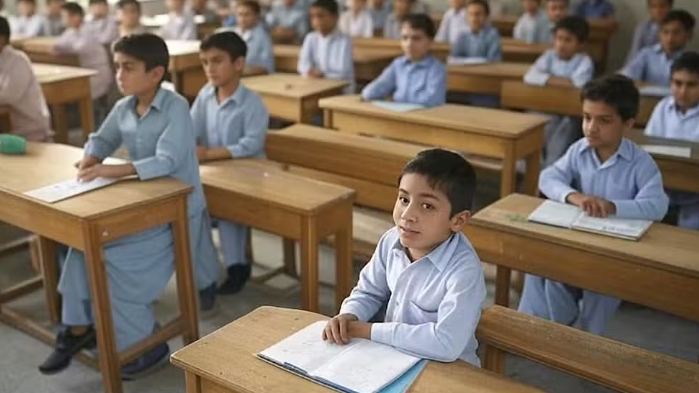
Education officials in Sindh have long acknowledged the challenges faced by public schools, including outdated infrastructure, lack of trained teachers, and insufficient resources. The school upgradation program has been designed to tackle these issues and ensure that every child has access to a safe, modern, and effective learning environment.
Key Features of the Upgraded Schools
Improved Infrastructure: Classrooms are being renovated with better seating, proper lighting, and ventilation to create a healthy learning atmosphere.
Technology Integration: Many upgraded schools will be equipped with computer labs, smart boards, and digital resources to introduce students to modern learning methods.
Trained Teachers: Teacher training programs are part of the initiative to strengthen classroom instruction and encourage interactive learning.
Expansion to Middle Level: Hundreds of primary schools are being upgraded to middle schools, allowing students to continue their studies without dropping out due to lack of nearby facilities.
Sanitation & Safety: Separate washrooms for boys and girls, clean drinking water, and boundary walls are being ensured for safety and hygiene.
Benefits for Students and Communities
The initiative is expected to reduce dropout rates, especially among girls who often discontinue education due to long travel distances or lack of proper facilities. By upgrading schools within local communities, more parents will be encouraged to keep their children enrolled.
Moreover, the introduction of digital tools and modern teaching techniques will help students compete with peers from private institutions, ultimately reducing the education gap between public and private schools.
Challenges Ahead
While the move has been widely welcomed, experts highlight that consistent monitoring, transparent use of funds, and timely maintenance will be essential to sustain the progress. Without proper follow-up, upgraded facilities could quickly fall back into neglect.
Conclusion
The Sindh government’s decision to upgrade thousands of primary schools is a significant step toward educational reform. If implemented effectively, the initiative could transform the learning experience for countless children, empowering them with better knowledge, skills, and opportunities for the future.