What Steps Can Pakistan Learn from China to Tackle Air Pollution?
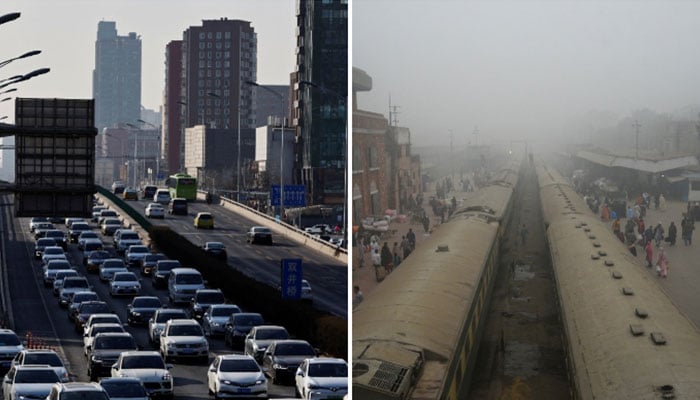
Pakistan faces growing challenges from air pollution, especially in urban centers like Karachi, Lahore, and Islamabad, where industrial emissions, vehicular exhaust, and seasonal factors contribute to hazardous air quality. Learning from China’s experience, Pakistan can adopt several strategies to mitigate pollution, protect public health, and promote sustainable development.
1. **Strict Regulatory Framework**: China implemented stringent air quality standards, enforced emission limits on industries, and penalized non-compliant factories. Pakistan can strengthen its environmental laws and ensure strict enforcement to control industrial emissions and enforce penalties for violations.
2. **Vehicle Emission Control**: China phased out older, high-emission vehicles and promoted electric and hybrid transportation. Pakistan could incentivize the adoption of cleaner vehicles, introduce stricter emission testing, and encourage public transportation to reduce urban smog.
3. **Investment in Renewable Energy**: China invested heavily in solar, wind, and hydroelectric energy to reduce reliance on coal. Pakistan, with ample renewable energy potential, can expand clean energy projects to decrease air pollution from fossil fuel combustion.
4. **Urban Planning and Green Spaces**: China developed green belts, planted trees, and improved urban layouts to reduce pollution concentration. Pakistan can integrate urban forestry, green zones, and smart city planning to enhance air quality and provide natural pollution buffers.
5. **Air Quality Monitoring and Public Awareness**: China established a nationwide network of air quality monitoring stations and regularly disseminated data to the public. Pakistan can expand real-time monitoring, issue pollution alerts, and educate citizens on protective measures, especially for vulnerable populations.
6. **Industrial Relocation and Technology Upgrades**: China relocated polluting industries away from dense urban areas and invested in cleaner technologies. Pakistan can incentivize factories to adopt modern pollution-control equipment and consider industrial zoning reforms.
7. **International Cooperation and Policy Learning**: China engaged in knowledge-sharing and technological partnerships to tackle pollution. Pakistan can collaborate with countries experienced in pollution control to adopt best practices and leverage global expertise.
Implementing these steps requires political will, multi-sector coordination, and long-term investment. While challenges exist, strategic adoption of China-inspired policies can significantly improve Pakistan’s air quality, protect public health, and support sustainable economic growth.
—
خلاصہ (اردو میں)
پاکستان چین کے تجربات سے سیکھ سکتا ہے، جیسے صنعتی اور گاڑیوں کے اخراج پر سخت قوانین، قابل تجدید توانائی میں سرمایہ کاری، شہری منصوبہ بندی اور عوامی آگاہی بڑھانا۔ یہ اقدامات ہوا کے معیار کو بہتر بنانے اور عوام کی صحت کی حفاظت میں مددگار ثابت ہو سکتے ہیں۔